Zakat, the third pillar of Islam, is an obligatory form of charity and an act of worship by Muslims.
Zakat is based on the wealth of a Muslim, not income. All Muslims must pay 2.5% of their annual wealth according to a lunar year. It is required for any Muslim whose wealth exceeds a minimum threshold called the nisab, which is the equivalent of $5,000 to $15,000, based on the standard market prices for gold and silver.
Assets used to calculate zakat include: cash on hand and in bank accounts, money loaned to others, expected tax refunds, the value of gold, silver and other precious items, stocks, bonds, IRA’s and business assets. Personal items such as a home, car, clothes, etc. are usually exempt from the zakatable wealth.
The Qur’an specifies eight categories of zakat recipients:
- The poor
- The needy
- Those administering zakat
- Those whose hearts are to be reconciled (new Muslims or potential allies)
- To liberate slaves/captives
- Those in debt
- In the cause of Allah (often interpreted as religious causes or jihad)
- Stranded travelers
Most of these categories are traditionally interpreted as referring to Muslim recipients only, although “those whose hearts are to be reconciled” can include non-Muslim allies. Many Muslims pay zakat directly to eligible people, mosques, or reputable charities that distribute according to these rules.
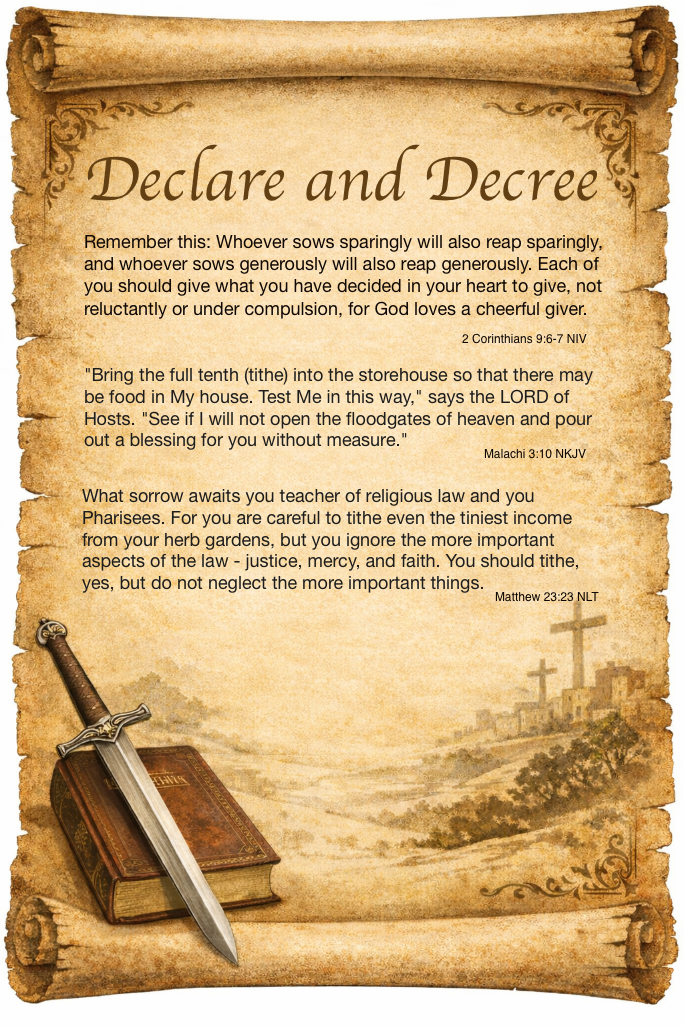
Both Islam and Christianity emphasize generosity and caring for the poor, however the structures differ in important ways. Zakat is mandatory. Not paying it when eligible is considered a serious sin, and it’s tied directly to one’s standing before Allah. In Christianity, tithing (giving 10%) was commanded under Old Testament law for Israelites. In the New Testament, Jesus affirms giving but shifts the emphasis to cheerful, heart-motivated generosity. Most Christians see tithing as a helpful guideline or minimum, but not a strict requirement for salvation in the same binding way.
Muslims believe practicing zakat purifies their remaining wealth, cleanses their hearts from greed, and helps redistribute wealth in Muslim society. Christian giving flows from gratitude, love and imitating Christ’s sacrifice.
 Best Current News
Leave a comment